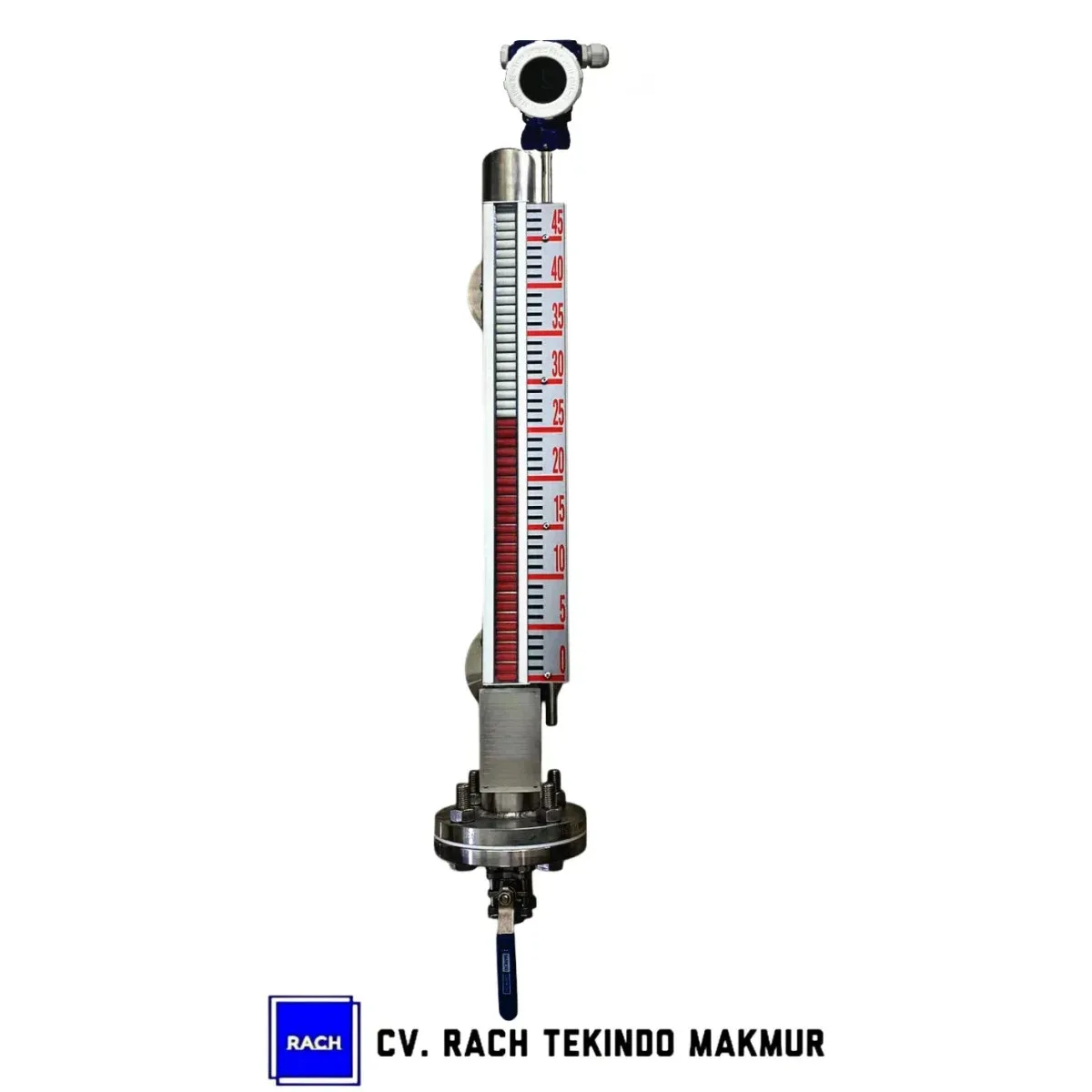
In separator tanks, settling tanks and oily wastewater tanks, the number that matters most to the operator is often not the total level but the position of the boundary between two liquids. If the water layer at the bottom rises too high, water can carry over into the oil line and spoil the product. If it falls too low, oil can be lost down the drain. A magnetic level gauge with a dedicated interface float is built to read that boundary directly.
The key is the float design. For ordinary level measurement, the float is lighter than the liquid so it rides on the surface. For interface measurement, the float density is set between the two liquids. With diesel and water, for example, the float is heavier than diesel but lighter than water. It sinks through the diesel layer and stops right on top of the water. The colour column on the indicator then shows the height of the water layer rather than the top surface.
The main requirement is a sufficient density difference between the two liquids. The smaller the difference, the harder it is for the float to settle in a stable position. That is why the density of both liquids at operating temperature should be given when ordering, not the figure from a data sheet at room temperature. Oil density changes as it heats up, and if this is not accounted for, the float position can drift.
Many users need two readings at once: total level and interface level. This can be done with two floats in one chamber, one for the top surface and one for the boundary, or with two magnetic level gauges mounted side by side. The right arrangement depends on the tank height, the nozzle spacing and how thick each layer normally is.
The emulsion band between oil and water also needs attention. In separators fed by turbulent flow or dosed with demulsifier chemicals, the mixed zone can be several centimetres thick. The interface float will usually sit inside this zone, so the reading shows an approximate boundary. Operators can reduce errors by keeping the bottom nozzle clear of sludge and draining the chamber regularly so deposits do not restrict float movement.
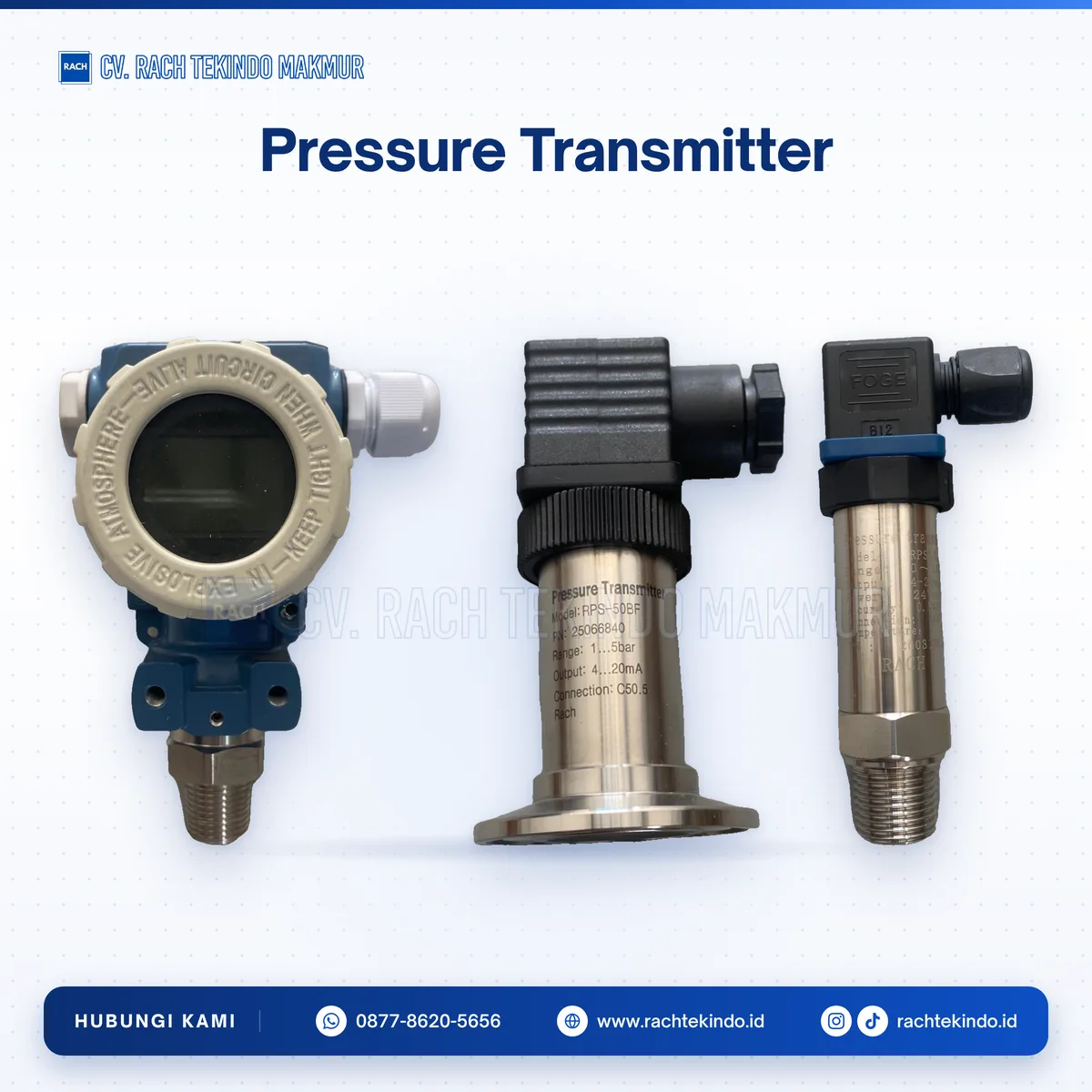
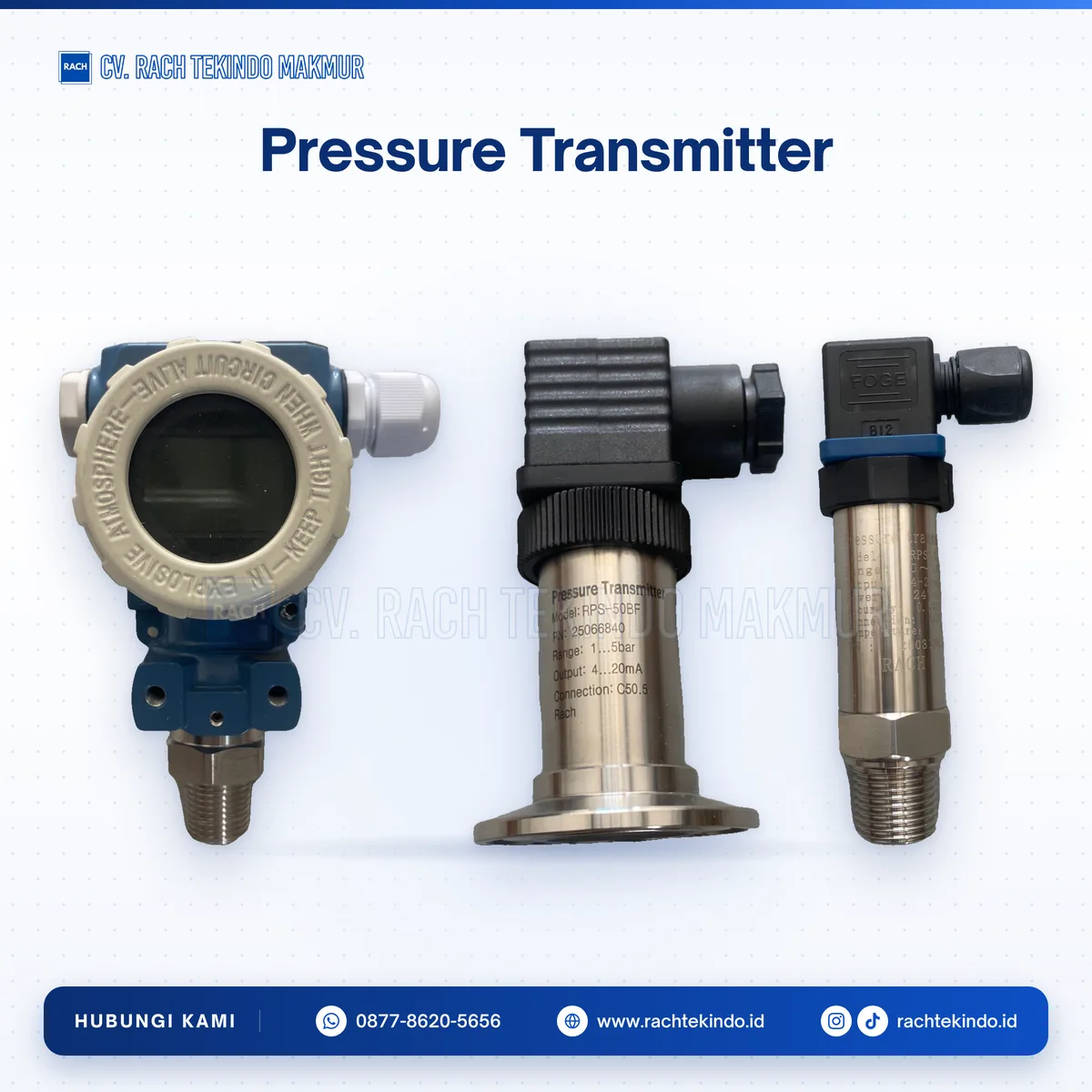
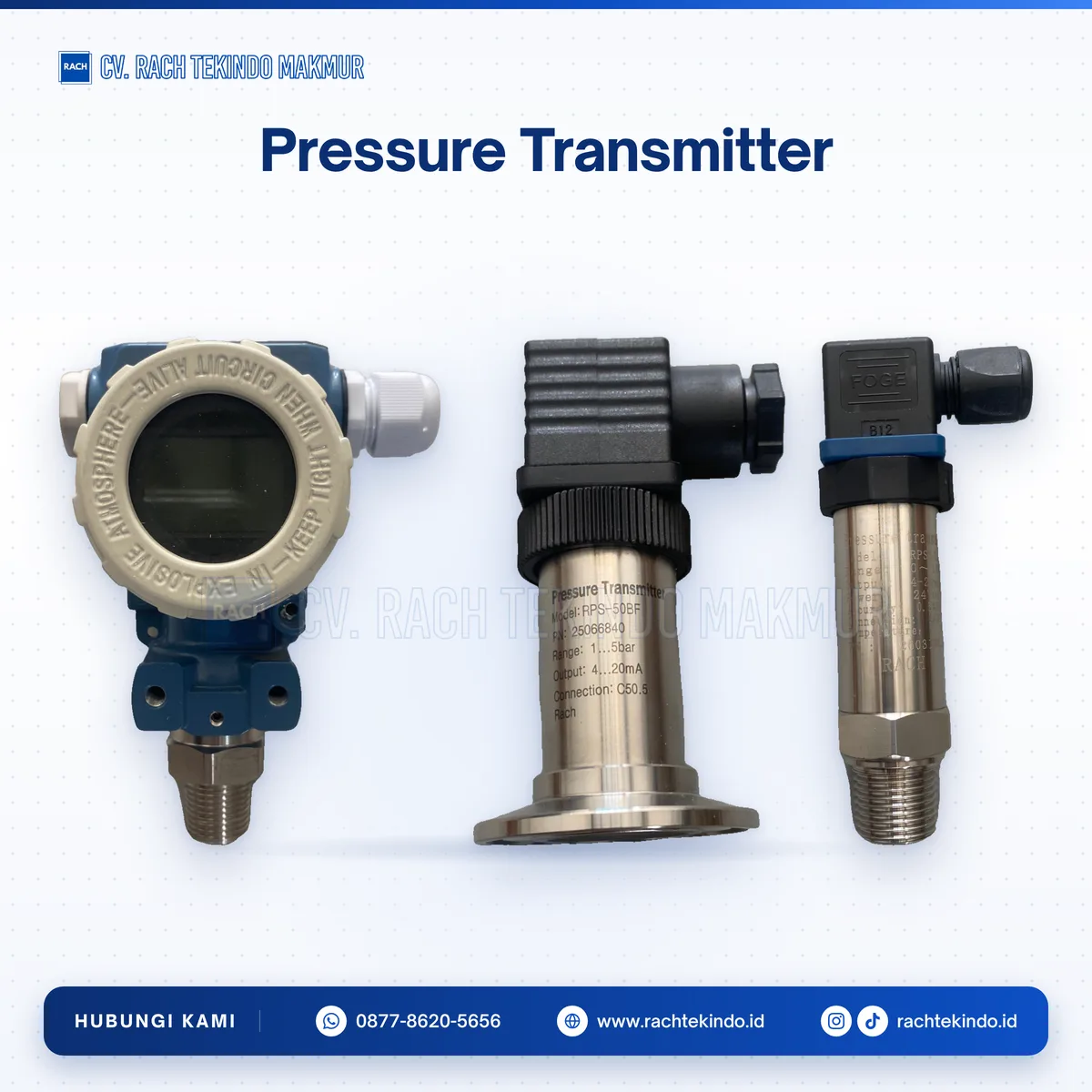
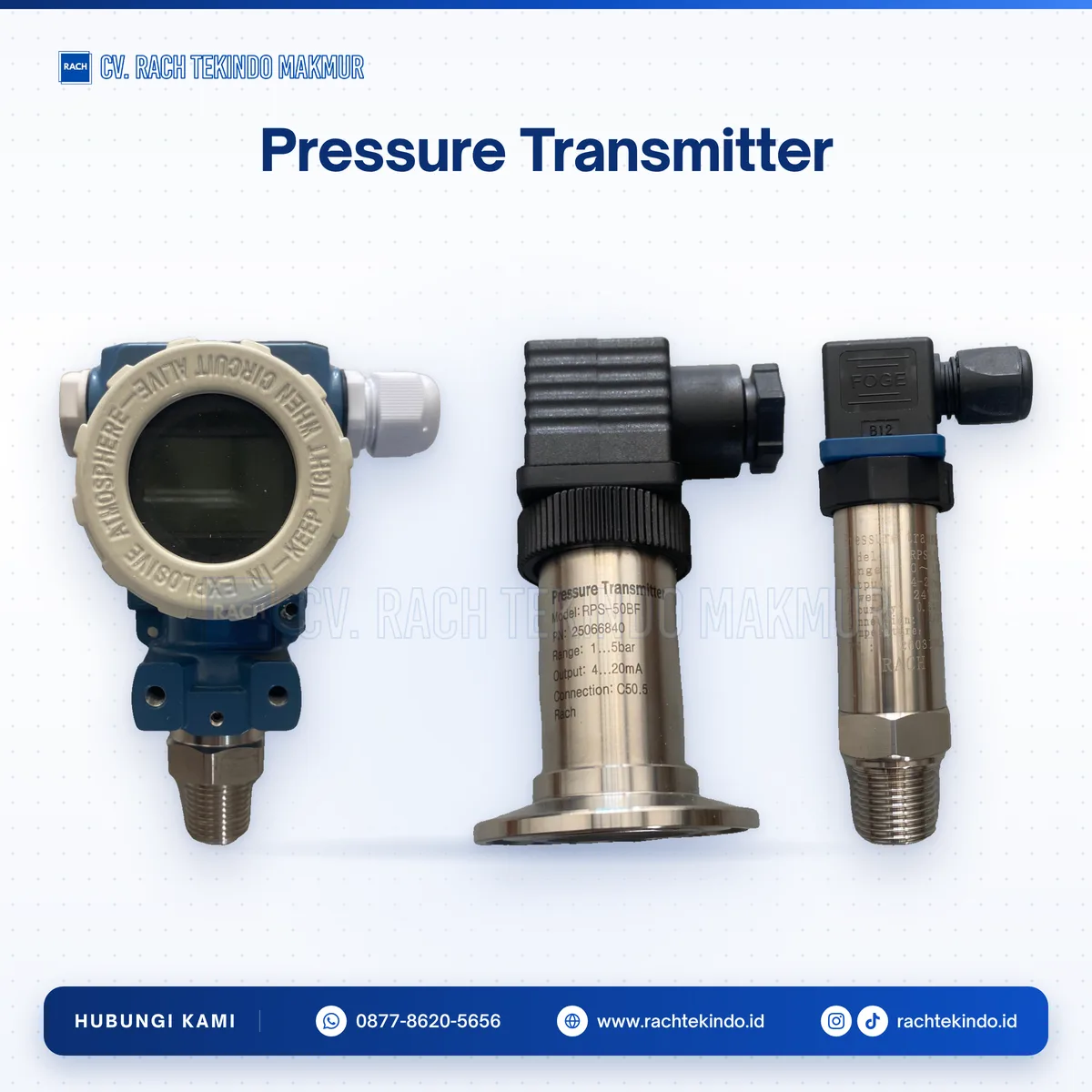
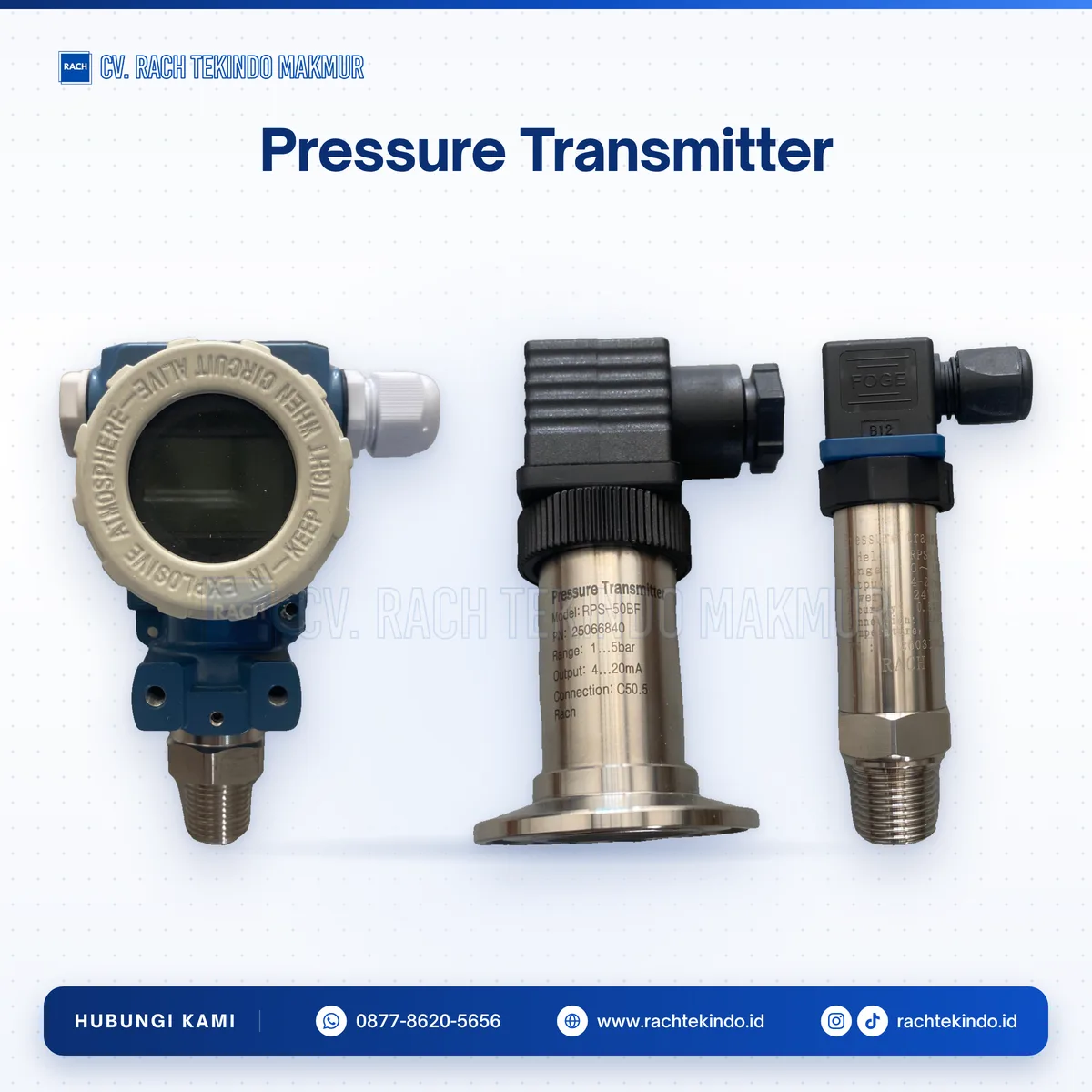
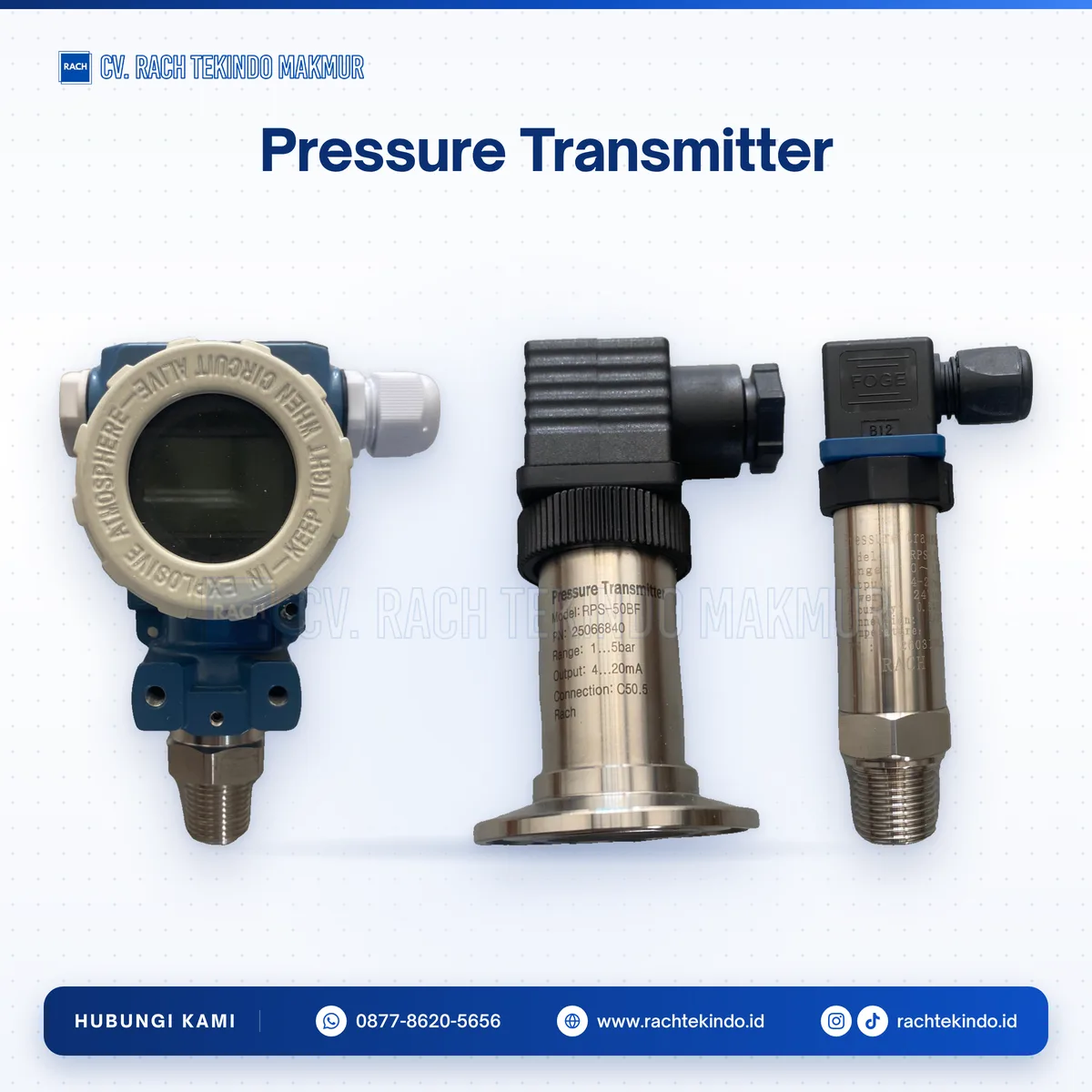
An interface gauge is most useful when combined with automation. A magnetic level switch on the side of the chamber can signal a water drain valve to open when the interface reaches the high point and close it at the low point. A 4–20 mA level transmitter mounted alongside the chamber lets the control room log separation trends, so process upsets such as excessive emulsion can be spotted early.
Typical applications include oil-water separators at power plants and heavy equipment workshops, crude oil dehydration tanks, condensate separation tanks, decanters in chemical plants, and oily wastewater pits. In every case, the chamber and float material must suit the chemistry of both liquids, for example SUS316 for produced water containing chlorides.
CV. Rach Tekindo Makmur supplies Magnetic Level Gauge Indicators for a wide range of industrial instrumentation needs. If you need level gauges, level switches, level transmitters, or consultation on configuration and installation for your level measurement system, contact us on WhatsApp at 0877-8620-5656 to discuss your technical requirements and request a quotation tailored to your application.