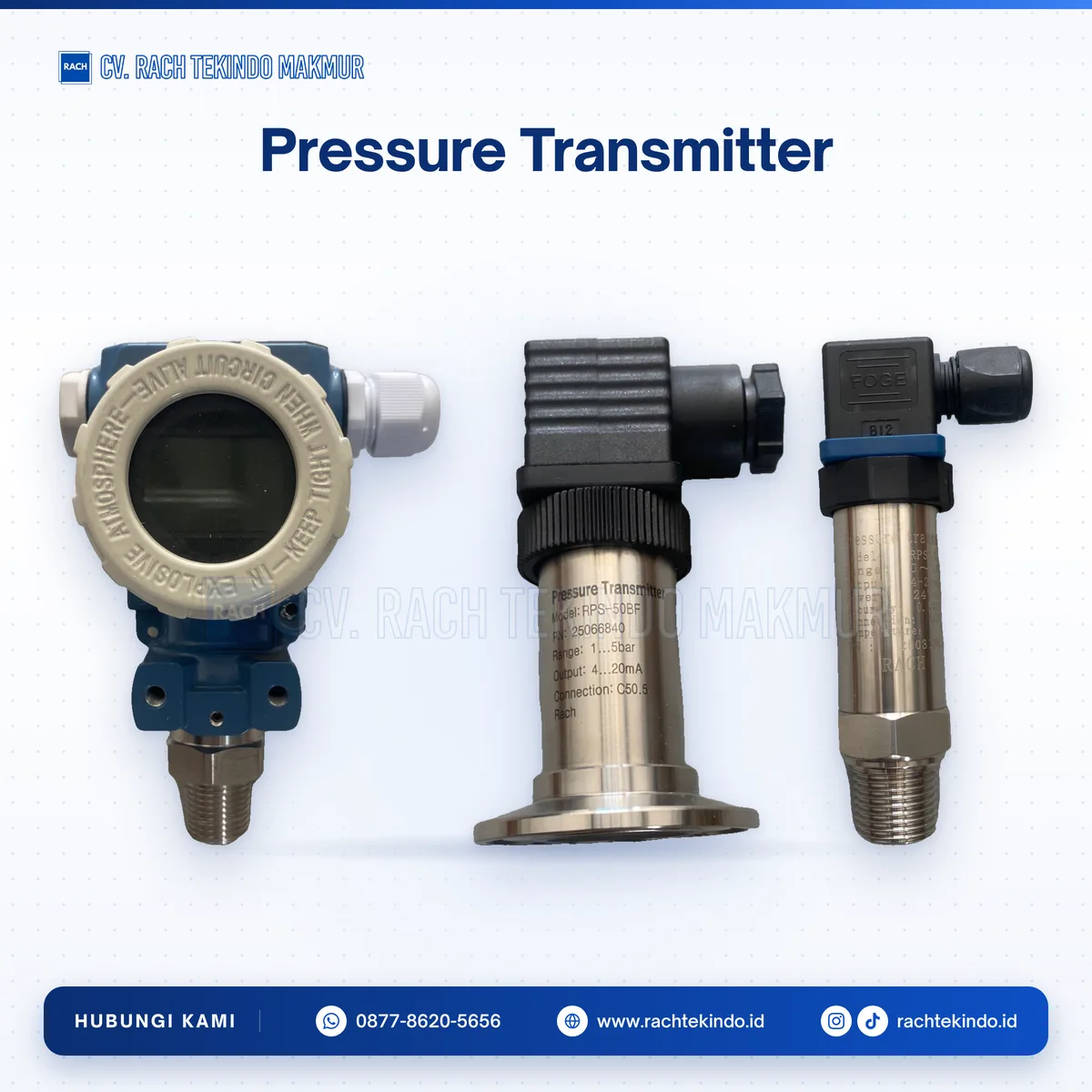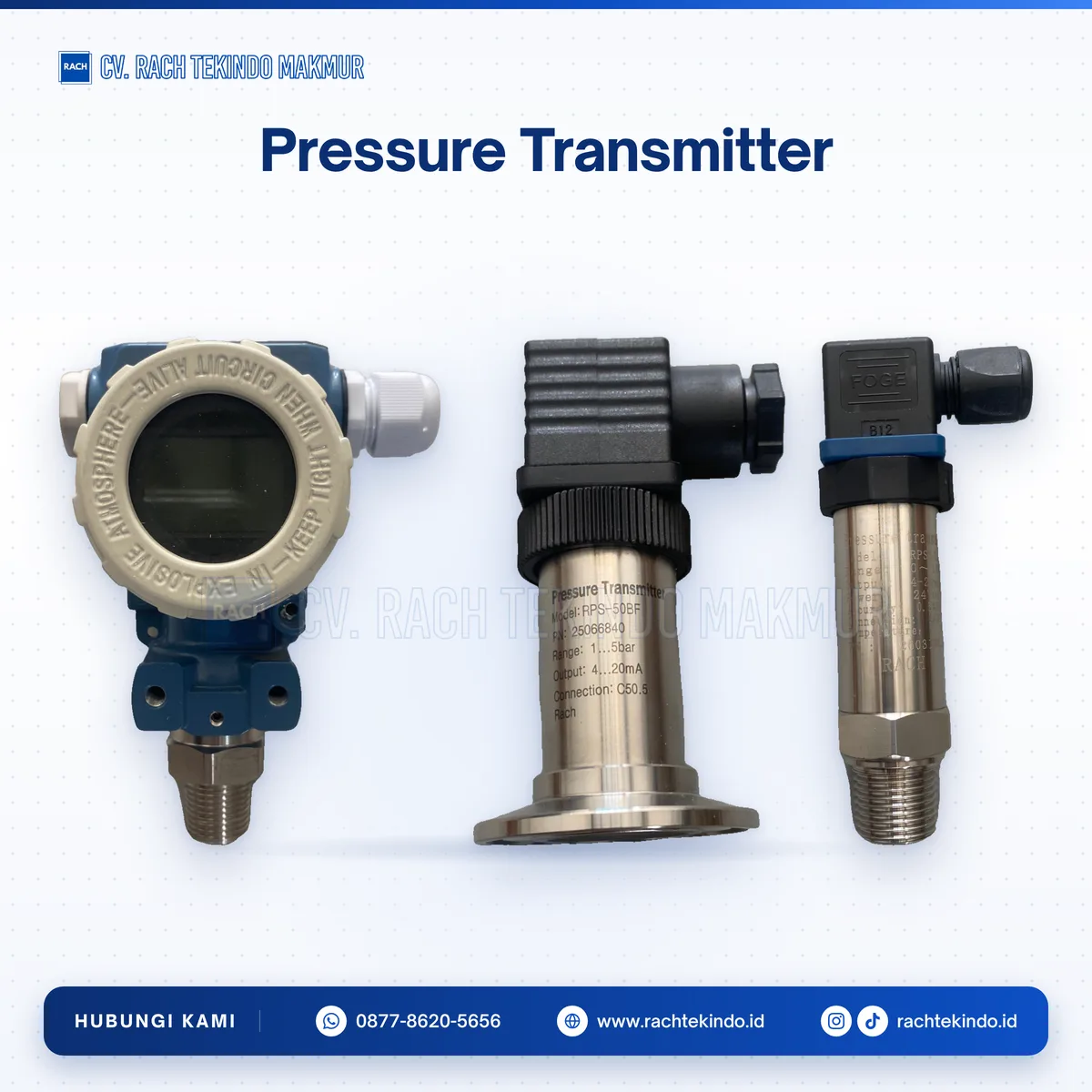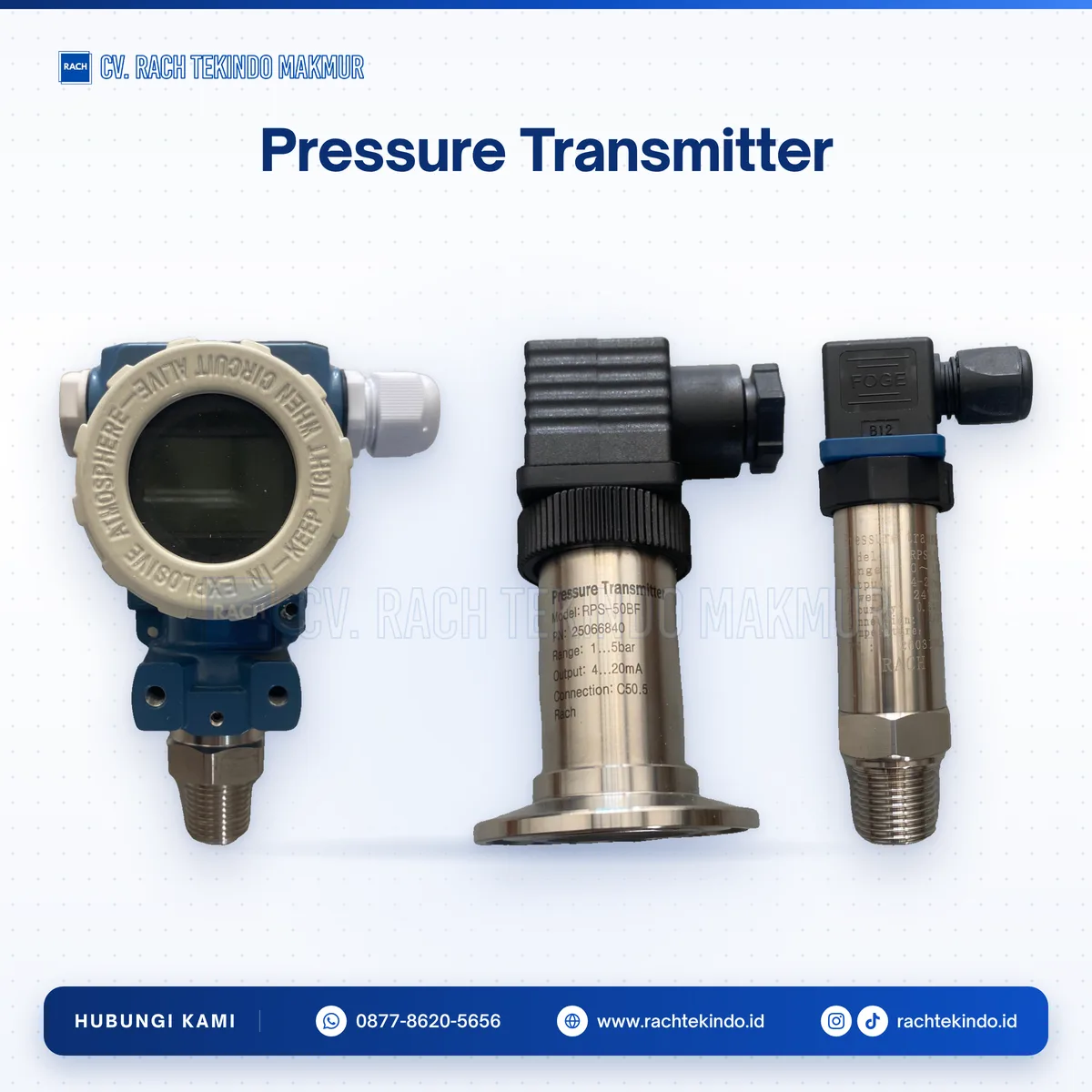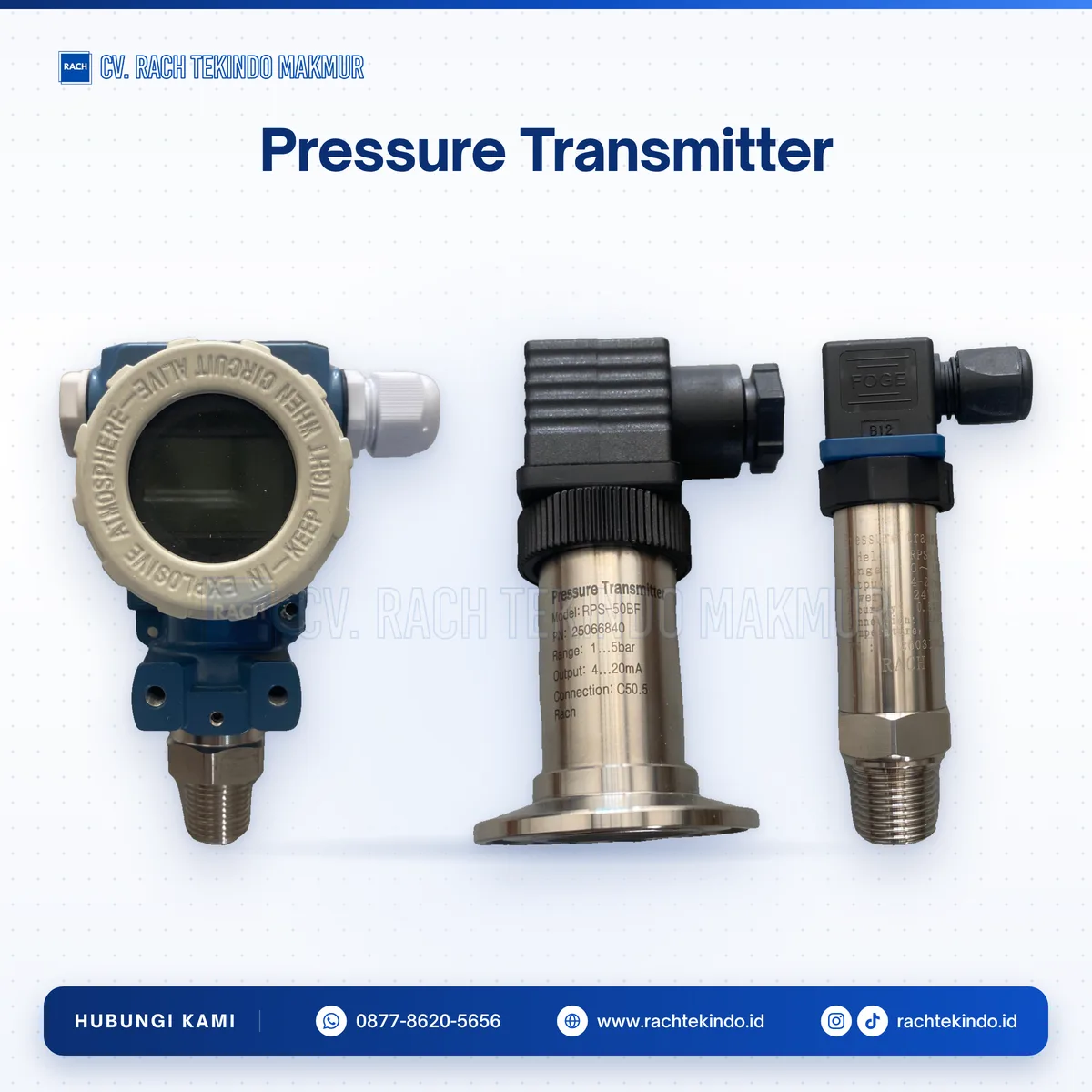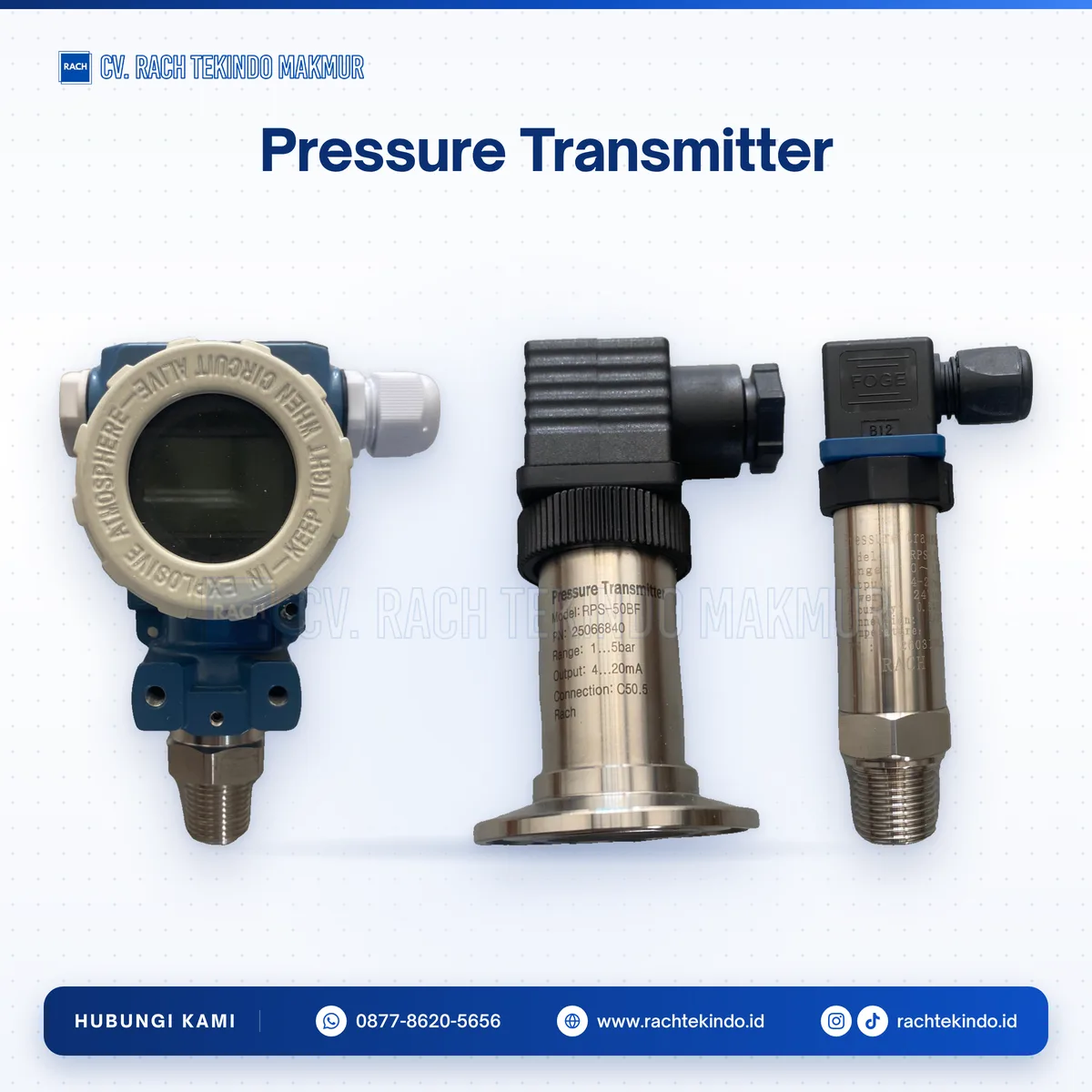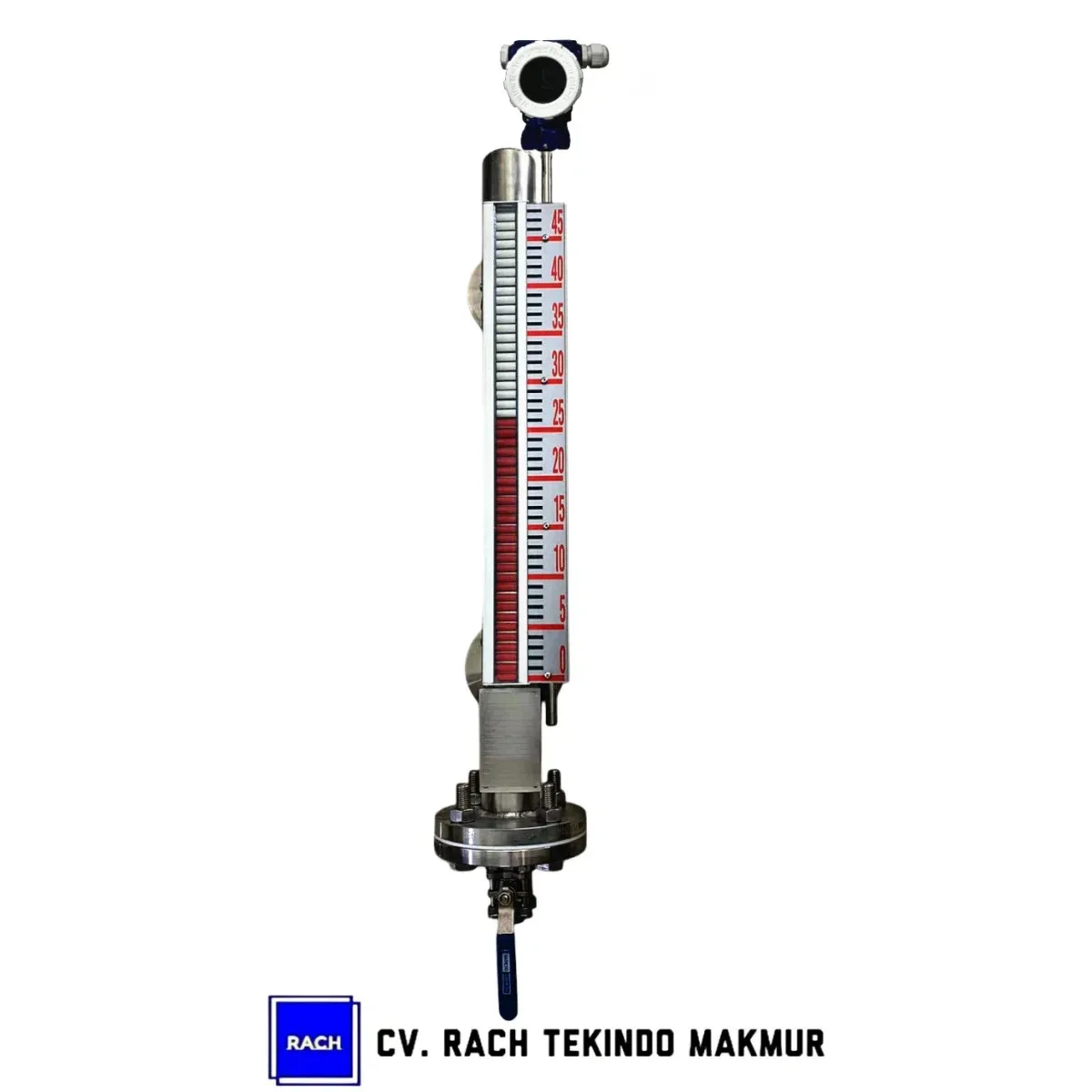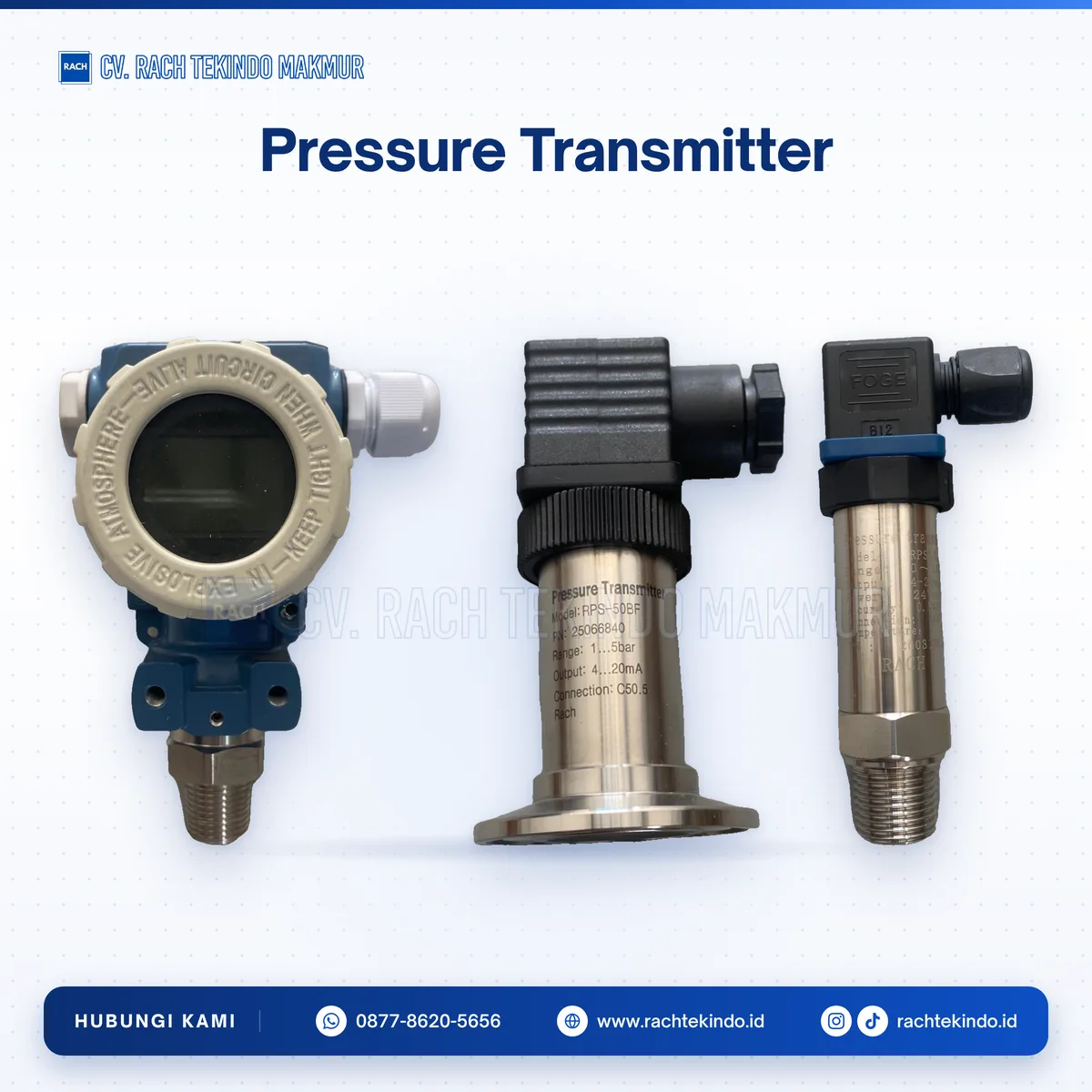
Most “broken transmitter” complaints that reach instrumentation teams turn out not to be product defects. A sensor fails from a pressure spike, a reading drifts because of trapped air, or the electronics get wet because a cable gland was never tightened. These problems can be prevented with correct installation from day one and simple routine checks.
The first mistake is a tapping point that doesn't suit the medium. For liquids, take pressure from the side of the pipe and mount the transmitter below the tap, so air bubbles rise back into the pipe instead of getting trapped in the impulse line. For gas, do the opposite: tap from the top of the pipe and mount the transmitter above it, so condensate drains back down. Avoid tapping from the bottom of the pipe, where sediment and dirt collect and plug the impulse line.
The second mistake happens on steam lines. A transmitter connected directly to a steam pipe at 150–180 °C runs its sensor and electronics above their allowed temperature, so the reading drifts and the unit eventually fails. Fit a siphon or pigtail and fill it with water before opening the valve, so the sensor only sees cooler condensate. The same applies to high-temperature oil or hot water lines.
The third mistake is ignoring water hammer and vibration. A transmitter mounted right after a pump or near a fast-closing valve takes repeated pressure spikes that eventually damage the diaphragm. Use a pressure snubber or move the measuring point somewhere calmer. On pumps or compressors that vibrate heavily, mount the transmitter on a separate bracket and connect it with impulse tubing rather than directly on the vibrating pipe.
The fourth mistake comes during mechanical installation and wiring. Tighten the transmitter with a wrench on the hex of the process connection, never by turning the housing, since twisting can damage internal connections. Make sure the cable gland is properly sealed and the cable forms a drip loop before it enters, so rainwater drips off instead of running into the housing. An IP67 rating only holds when every seal is fitted correctly.
For DP transmitters, use a three-valve manifold and follow the correct opening sequence: open the equalizing valve, slowly open the high and low side valves, then close the equalizer. Opening only one side on a high-pressure line can load the sensor with full static pressure from one direction.
After installation, check zero with the process pressure isolated and vented to atmosphere, because mounting position can shift zero slightly. Schedule visual checks of impulse lines and cabling, cleaning of lines prone to plugging, and periodic calibration verification with a pressure calibrator. A low-drift transmitter doesn't need frequent recalibration, but keeping records of each check still matters for audits and for catching problems before they disrupt production.
CV. Rach Tekindo Makmur supplies Pressure Transmitters for a wide range of industrial instrumentation needs. If you need pressure transmitters, differential pressure transmitters, or consultation on configuration and installation for your pressure measurement system, contact us on WhatsApp at 0877-8620-5656 to discuss your technical requirements and request a quotation tailored to your application.