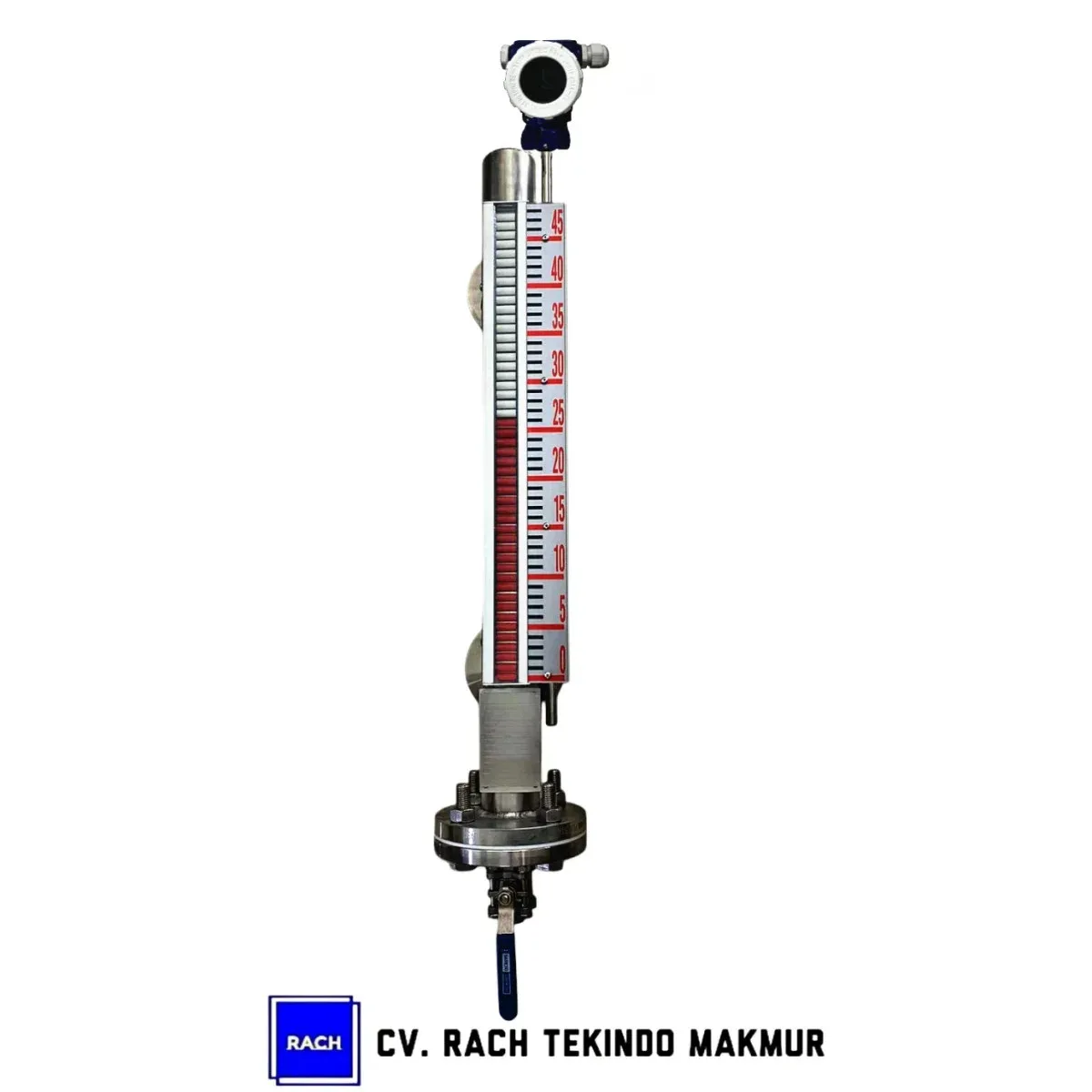
The sight glass on a pressure vessel is the point that makes technicians most cautious. Glass holding back hot pressurised water can crack from thermal shock during start-up, and a steam leak in an operator area is plainly dangerous. On units such as deaerators, feedwater tanks, flash tanks and condensate vessels, a magnetic level gauge is a safer alternative because the whole pressure boundary is a closed metal pipe with no glass.
Pressure capability depends on three things: chamber wall thickness, the rating of the flange or process connection, and float strength. A SUS304 or SUS316 chamber with a heavier wall and a flange of the right class can handle working pressures well above those of an atmospheric tank. Floats for high pressure are also made with stronger walls so they do not dent or collapse. When ordering, give the vessel's design pressure, not just the normal operating pressure, so every component has enough margin.
High temperature brings another challenge. Water at 150 °C is less dense than water at room temperature, so the float must be calculated for density at operating conditions. A float designed for cold water may sit deeper in hot water, and the reading will show less than the real level. Accurate operating temperature data gets the float design right from the start.
Permanent magnets are also sensitive to heat. At excessive temperatures, magnet strength drops and the indicator flaps no longer turn reliably. That is why gauges for hot service use magnets rated for high temperature, and in some applications the indicator rail is spaced or insulated from the chamber. The chamber itself should be lagged to protect operators, while the indicator rail stays in view.
On steam and hot water vessels, thermal expansion of the piping also has to be considered. A chamber fixed rigidly between two nozzles will take stress as the vessel heats up. Fitting isolation valves on both nozzles, a drain valve at the bottom and a vent at the top makes inspection possible without shutting the vessel down. Open the valves slowly at start-up so hot water does not slam into the float.
For boilers and steam vessels that fall under mandatory inspection, the type and number of level gauges are usually set by boiler regulations and the design code in use. In such cases, a magnetic level gauge can be fitted as an additional indicator or for monitoring, while the mandatory fittings still follow inspection rules and the boiler manufacturer. Check with the relevant authority before replacing any required instrument.
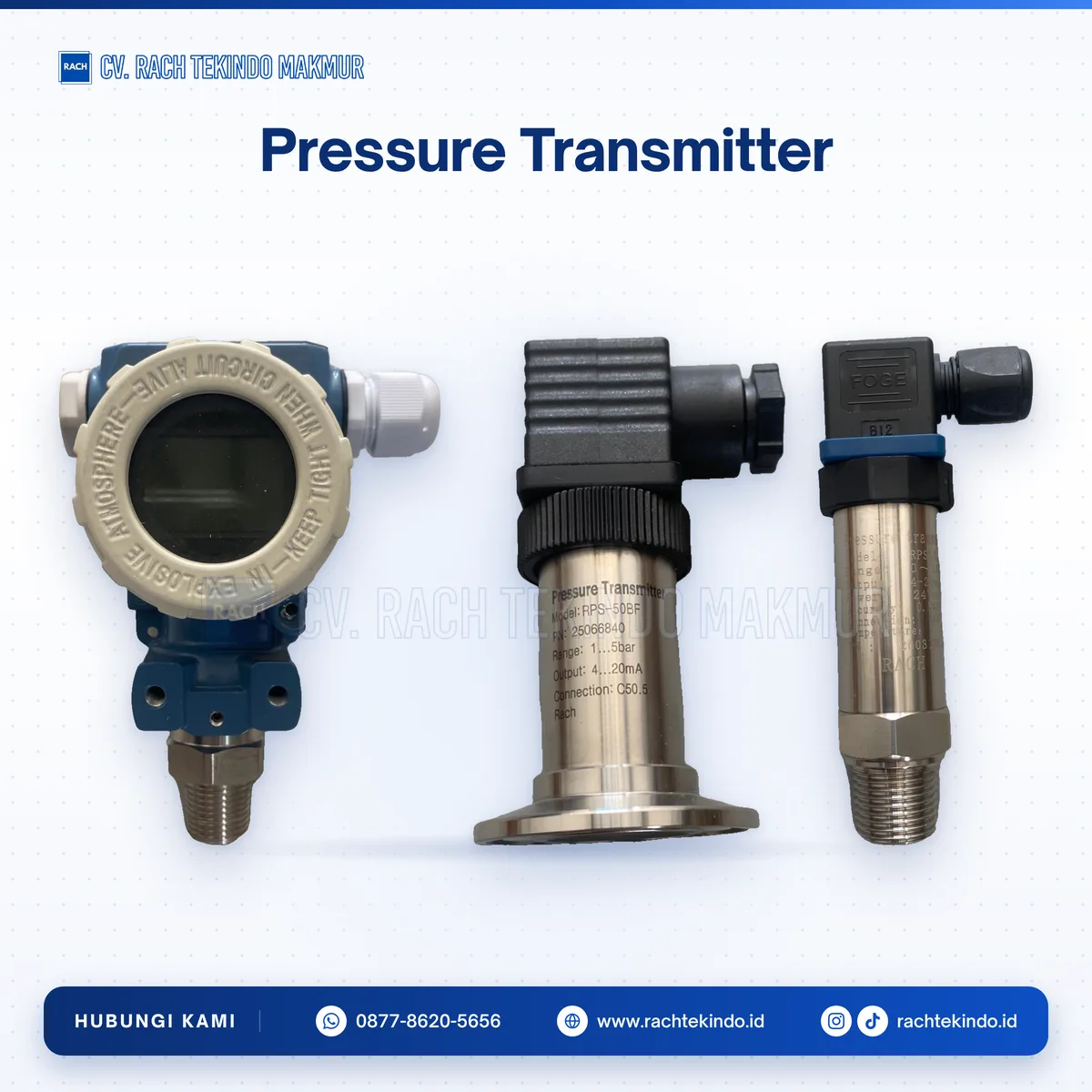
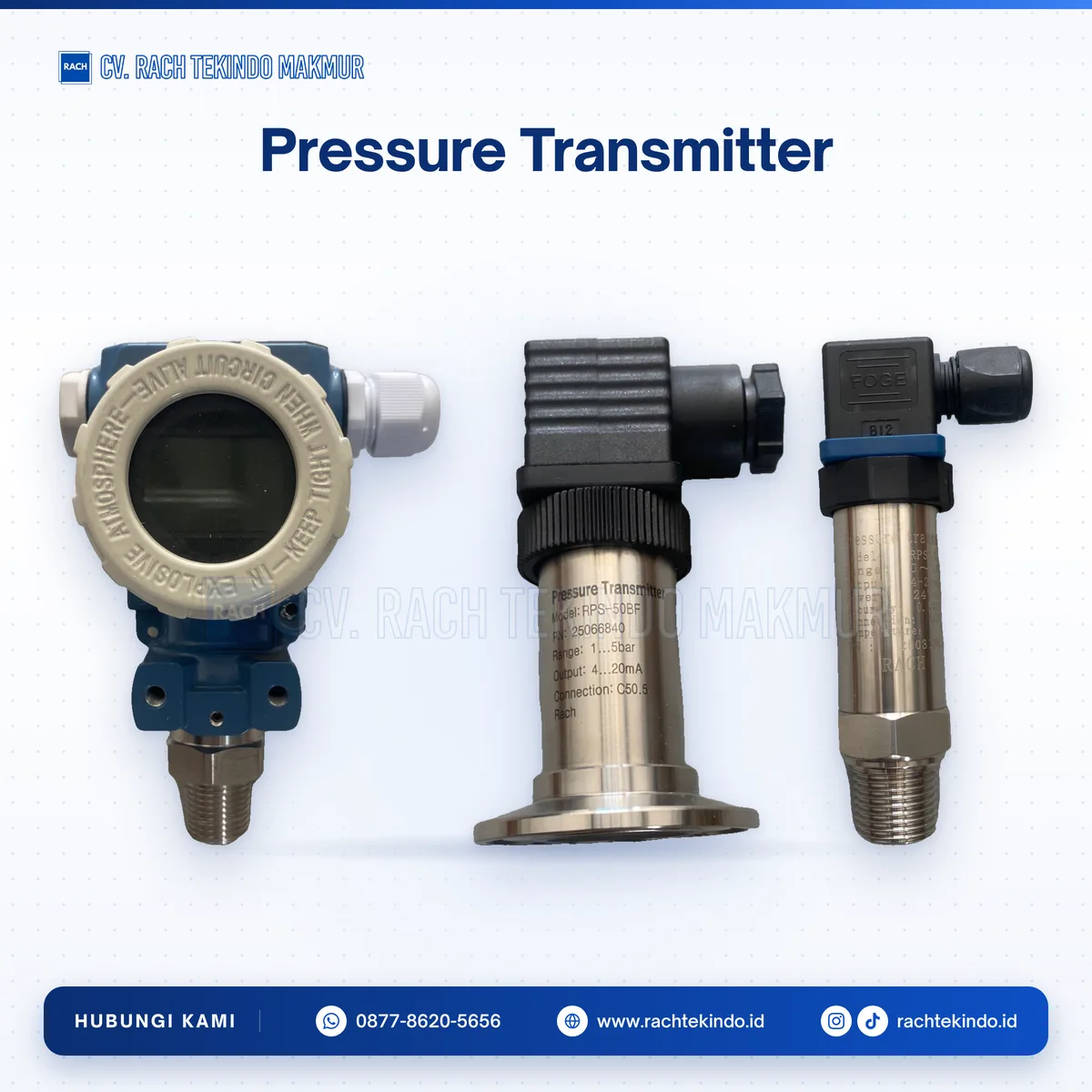
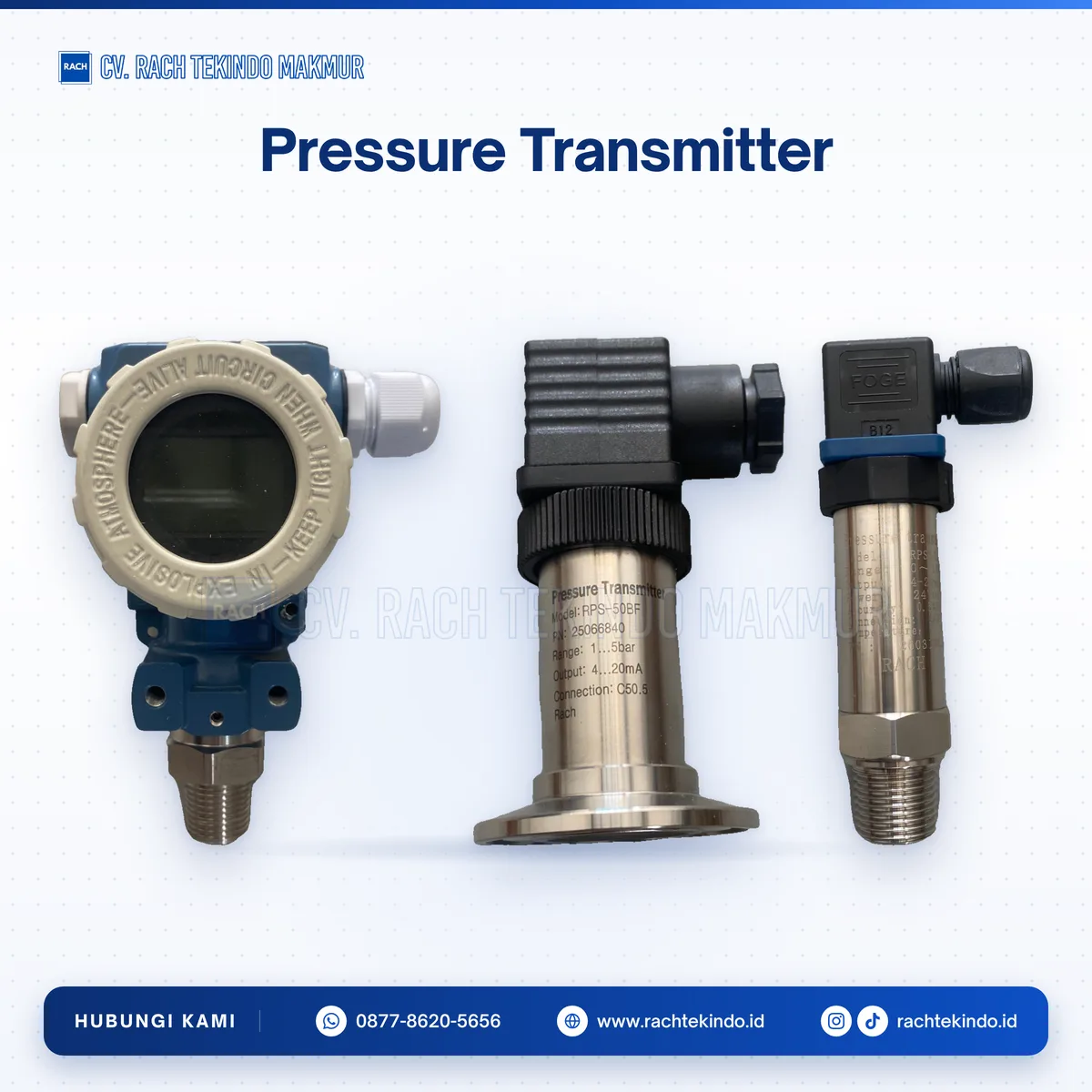
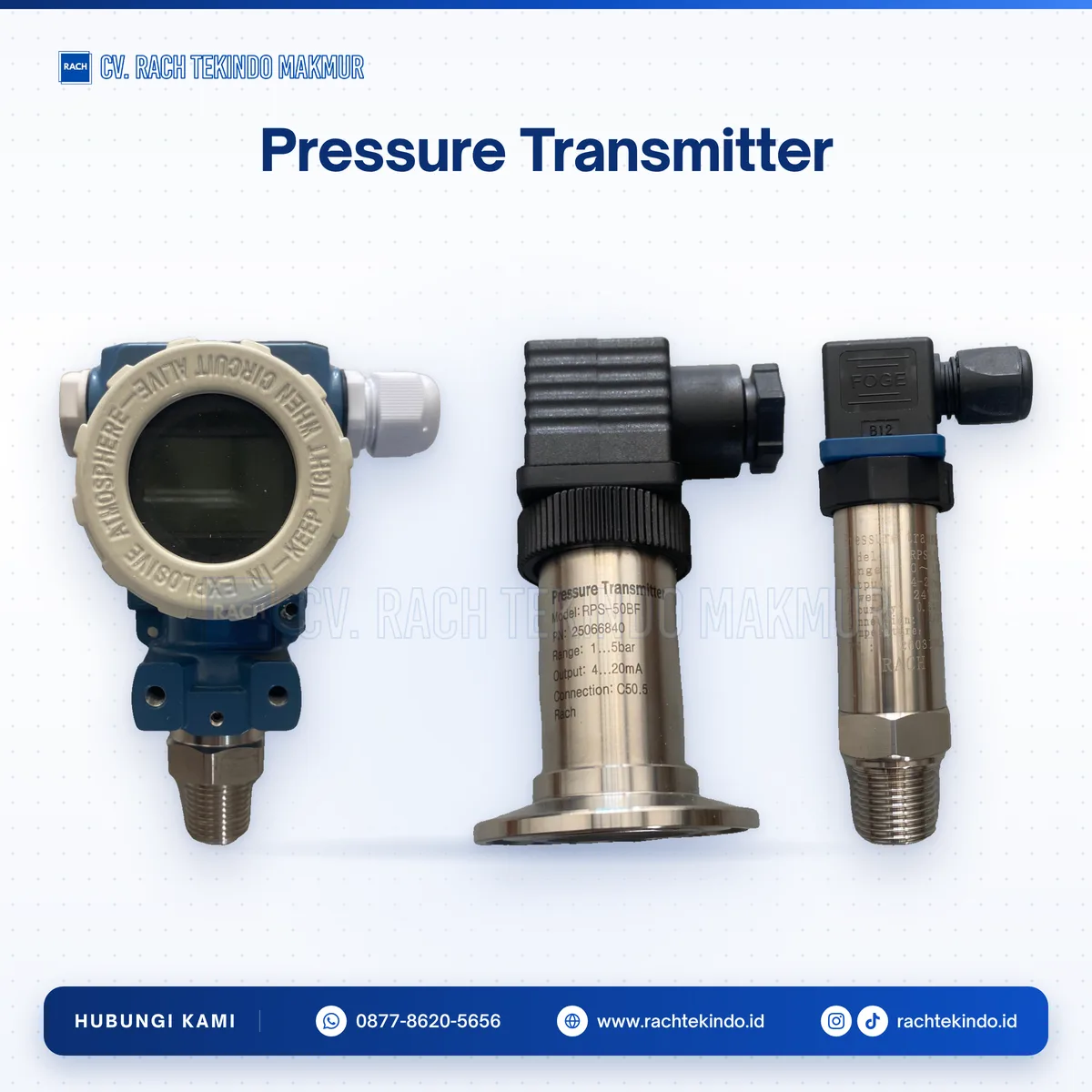
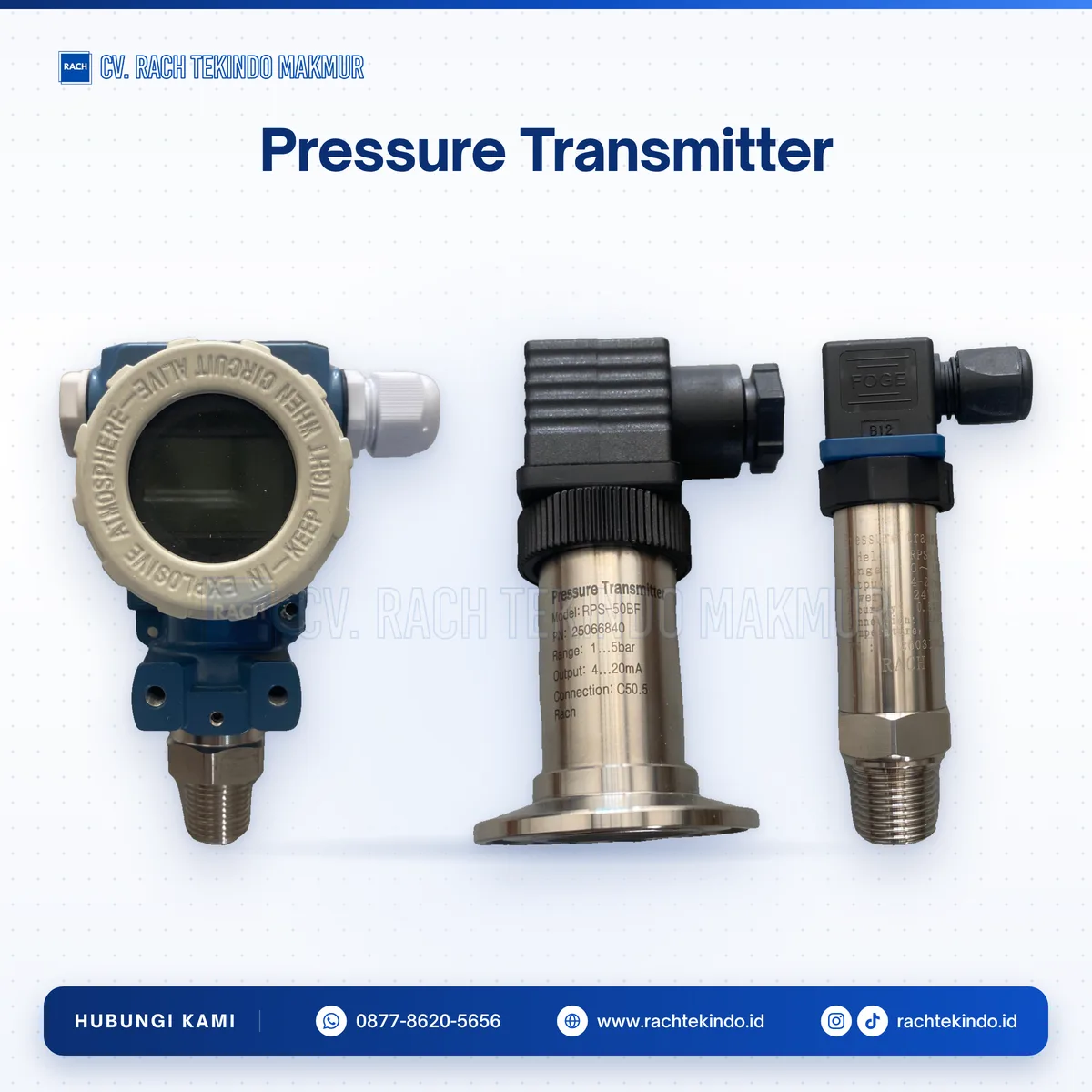
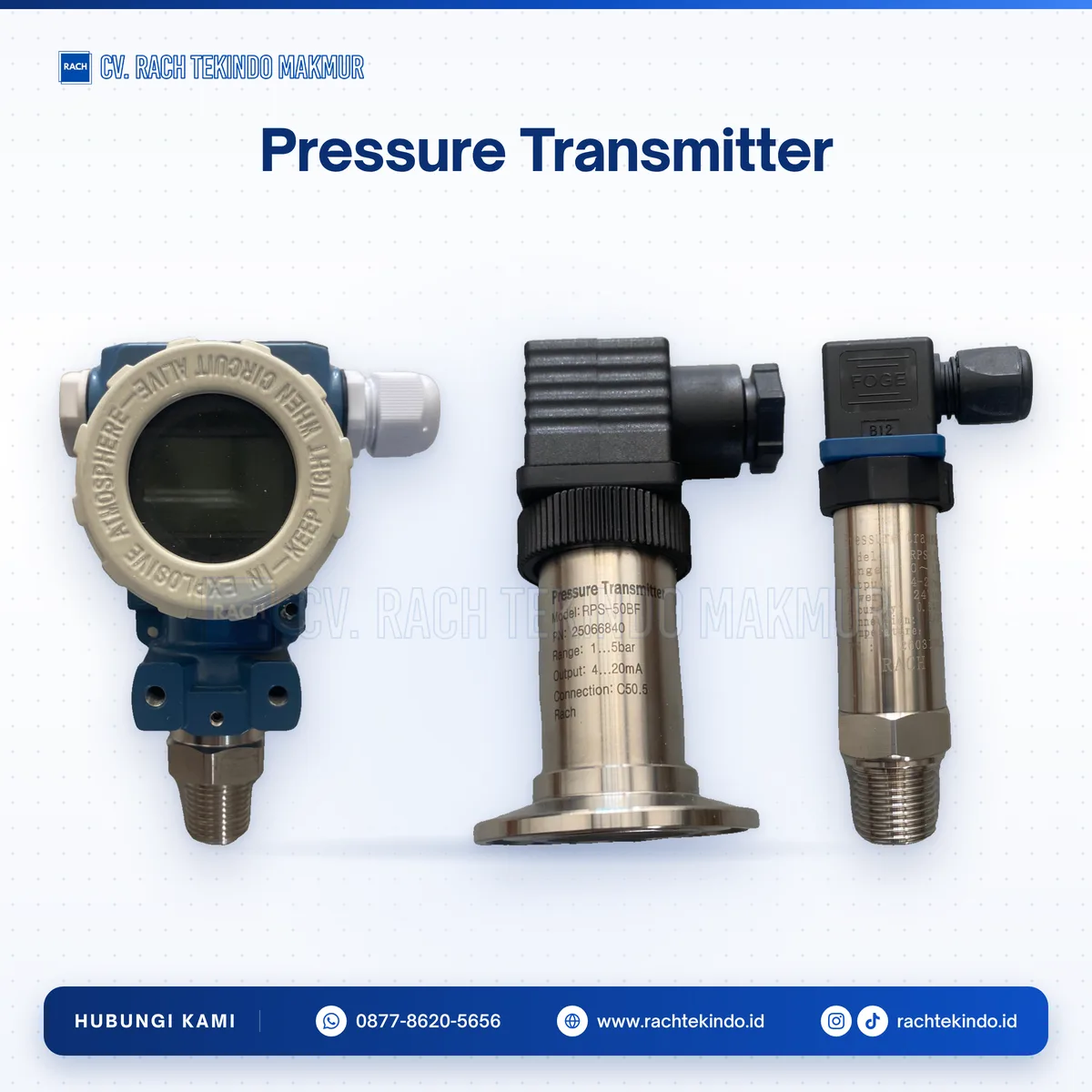
Beyond steam systems, high-pressure magnetic level gauges are used on LPG or ammonia tanks with suitable materials and ratings, chemical reactors, hydraulic vessels and accumulators. Pairing the gauge with a 4–20 mA level transmitter lets the control room track the level, and a magnetic level switch can trigger a low-level alarm to protect feedwater pumps from running dry.
CV. Rach Tekindo Makmur supplies Magnetic Level Gauge Indicators for a wide range of industrial instrumentation needs. If you need level gauges, level switches, level transmitters, or consultation on configuration and installation for your level measurement system, contact us on WhatsApp at 0877-8620-5656 to discuss your technical requirements and request a quotation tailored to your application.