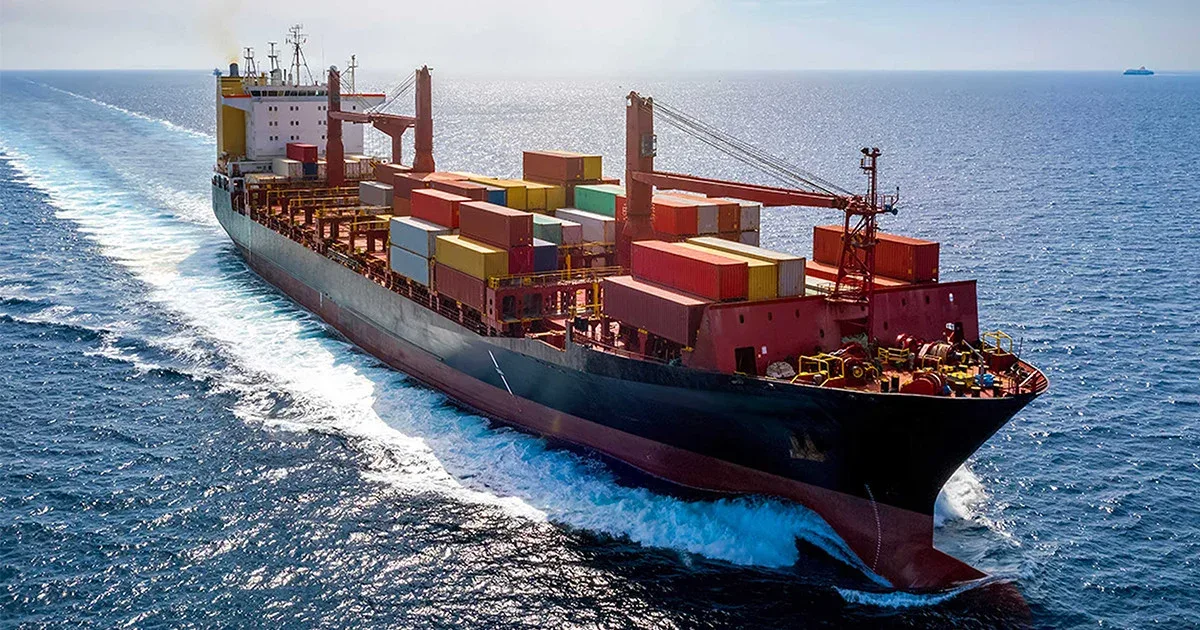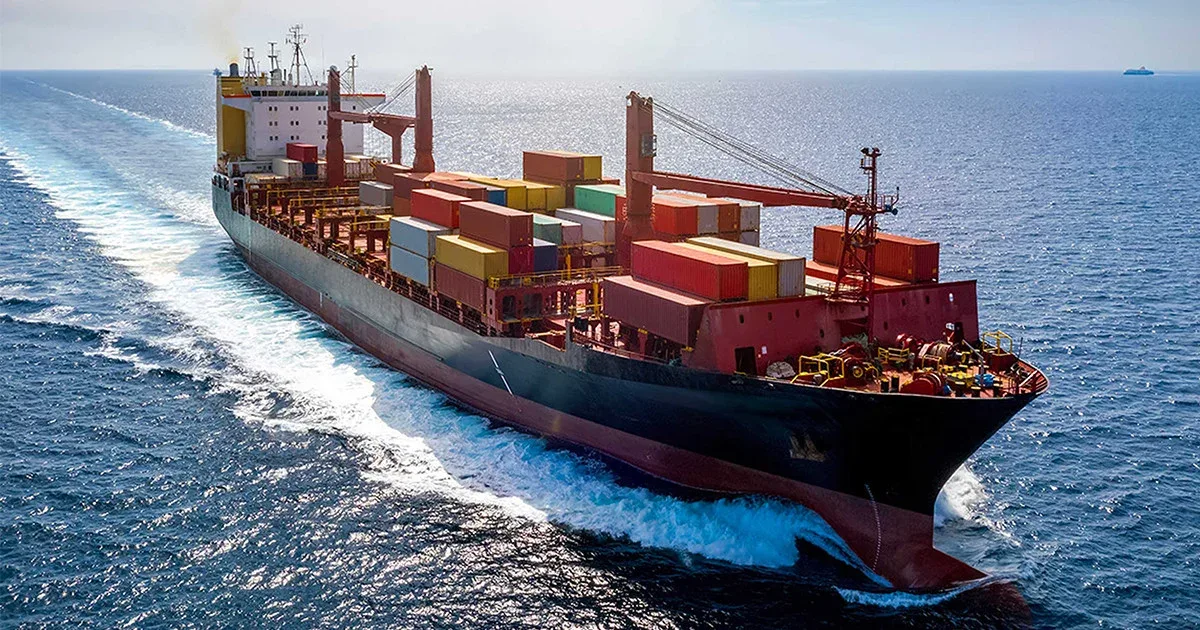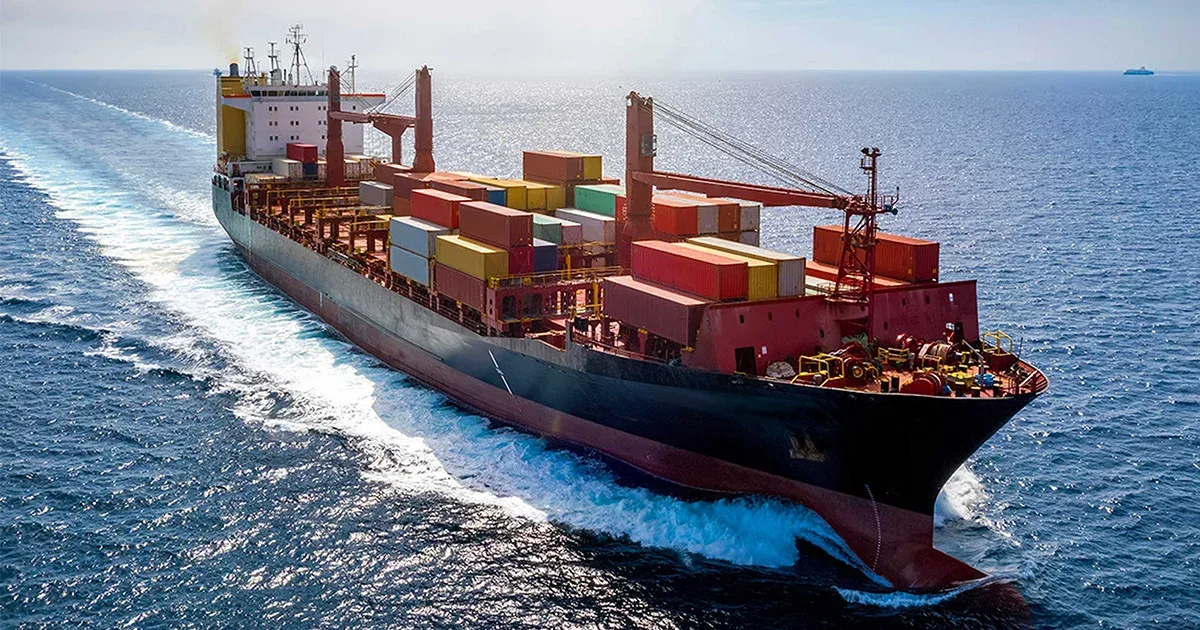
Tank measurement on a ship is often thought of only in terms of level. Yet level alone is not enough to know the true quantity and condition of what is in the tank. Liquid volume changes with temperature, and in some tanks temperature is actually the main safety parameter.
In fuel tanks, temperature is needed to calculate fuel quantity accurately. Fuel expands when warm and contracts when cold, so the same level can mean a different mass. Combining level and temperature data gives a more precise figure for remaining fuel, both for voyage planning and during bunkering. On ships burning heavy fuel oil, the tank temperature sensor also controls the heating so the fuel stays pumpable without being overheated.
Hydraulic oil tanks serve the steering gear, cranes, winches, and hatch covers. Oil that runs too hot oxidizes quickly and speeds up wear on seals and pumps. A sensor in the tank gives early warning when the cooler is underperforming or the system has been under load too long. In cold waters, the same temperature data helps the crew confirm the oil is warm enough before running the system at full load.
Gas carriers face a very different challenge. On fully refrigerated ships, LPG is stored at around −45 °C, while LNG is held at around −162 °C. At these conditions, cargo temperature shows whether the refrigeration and tank insulation are performing as designed. Sensors are usually installed at several heights in the tank, from bottom to top, to show the temperature spread of the cargo and to monitor tank cooldown before loading.
For temperatures this low, the RTD Pt100 is a common choice because it stays accurate and stable far below freezing. The material, construction, and installation of sensors in cargo tanks must follow hazardous area requirements and the rules of the ship's classification society.
Temperature and level data from these tanks is generally sent to the monitoring system in the cargo control room or engine control room. A temperature transmitter with a 4–20 mA output makes it easy to integrate with the same system that receives signals from the level transmitters, so the crew can see every tank's condition on one display.
CV. Rach Tekindo Makmur supplies Temperature Sensors & Temperature Transmitters for a wide range of industrial instrumentation needs. If you need sensors, transmitters, or consultation on configuration and installation for your temperature system, contact us on WhatsApp at 0877-8620-5656 to discuss your technical requirements and request a quotation tailored to your application.